From the stage of a revolutionary-themed drama at Haifeng Century Square to the front lines of bilingual volunteer service at Luohu Port; from the fields of the Lianping eagle-beak peach orchards, where students help farmers, to the research outposts along the Belt and Road. Over the past decade, Shenzhen MSU-BIT University (SMBU) has devoted itself to education through social practice, building a three-tier practice framework — “Integrating into Shenzhen, Traveling across China, Exploring the World” — and extending the classroom of ideological and political education to the mountains, rivers and vast land. Batch after batch of Chinese and international students have stepped out of campus to learn, grow and contribute through field research, grassroots service and cross-cultural exchange.
In 2026, the University’s social practice program marks its tenth anniversary. This year’s “Silk Road Youth Journey” formed 80 practice teams with nearly 1,000 teachers and students participating, accompanied throughout by 32 Chinese and Russian instructors. The young participants’ footprints covered more than 20 provincial-level administrative regions across China and extended to Belt and Road countries, producing over 500 practice outcomes and attracting more than 1,200 media reports at various levels.
Read China: Rooted in the Countryside, Growing through the Vast Land
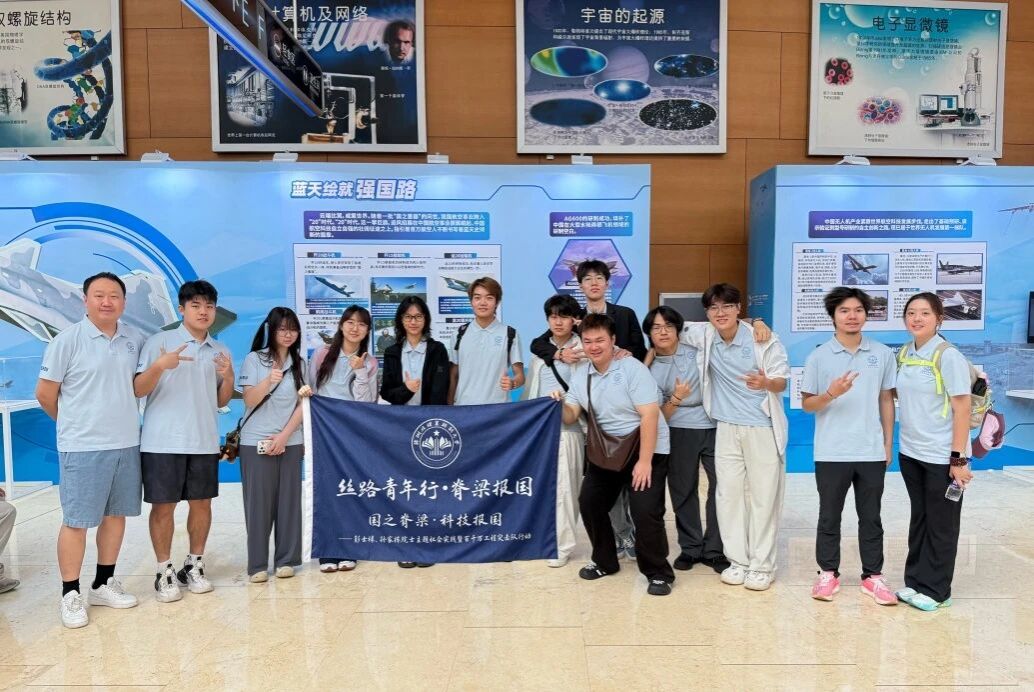
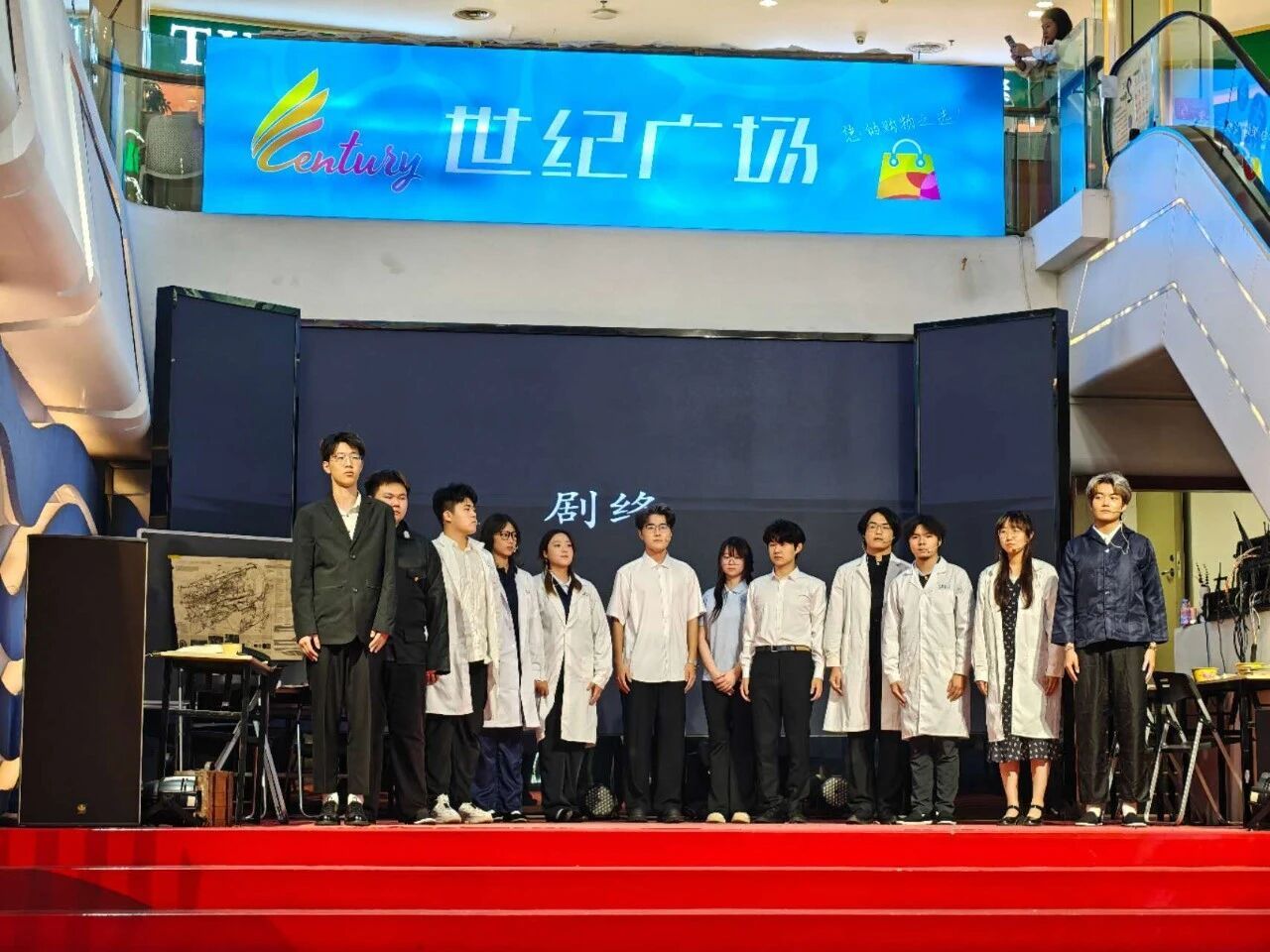
On the evening of July 27, Typhoon “Hongxia” had just passed and Haifeng Century Square in Shanwei was crowded with people. When the original play “Classmates, Young at Heart — The Peng Shilu Chapter” came to an end, the applause went on and on. The young people on stage came from Shenzhen MSU-BIT University, 600 kilometers away. That day, with all high-speed rail services suspended, the 12 team members squeezed into a minibus and set off through the rain, using hotel rooms as rehearsal halls, all to present, in the hometown of the martyr Peng Pai, an immersive “grand ideological and political lesson” integrating “performance, lecture, reflection and action” to the local elders and fellow townspeople. At the Hailufeng Red Palace and Red Square, the “Red-Green-Gold” comprehensive practice team — jointly formed by the Faculty of Chemistry, the Faculty of Materials Science and others — drew on Haifeng’s fourfold resource endowment of “Red Palace and Red Square + Peng Shilu’s hometown + tea country + intangible cultural heritage” to build a three-color interconnected system of “Red forges the soul, Green revitalizes the village, Gold passes the flame.” Marking the 130th anniversary of Peng Pai’s birth, the members completed the Russian collation and translation of “Peng Pai’s Notes,” developed revolutionary cultural and creative products, and, through a micro-lecture titled “Above the Firmament — Sun Jiadong and China’s Spaceflight,” made the spirit of scientists tangible and perceptible.
“That night, the audience in the square lingered long after the performance. In that moment I suddenly understood what it means to bring the ideological and political classroom onto the soil of our motherland,” one team member wrote in a practice journal. That summer, 12 journals and reports totaling nearly 20,000 Chinese characters recorded this two-way journey of faith and youth.
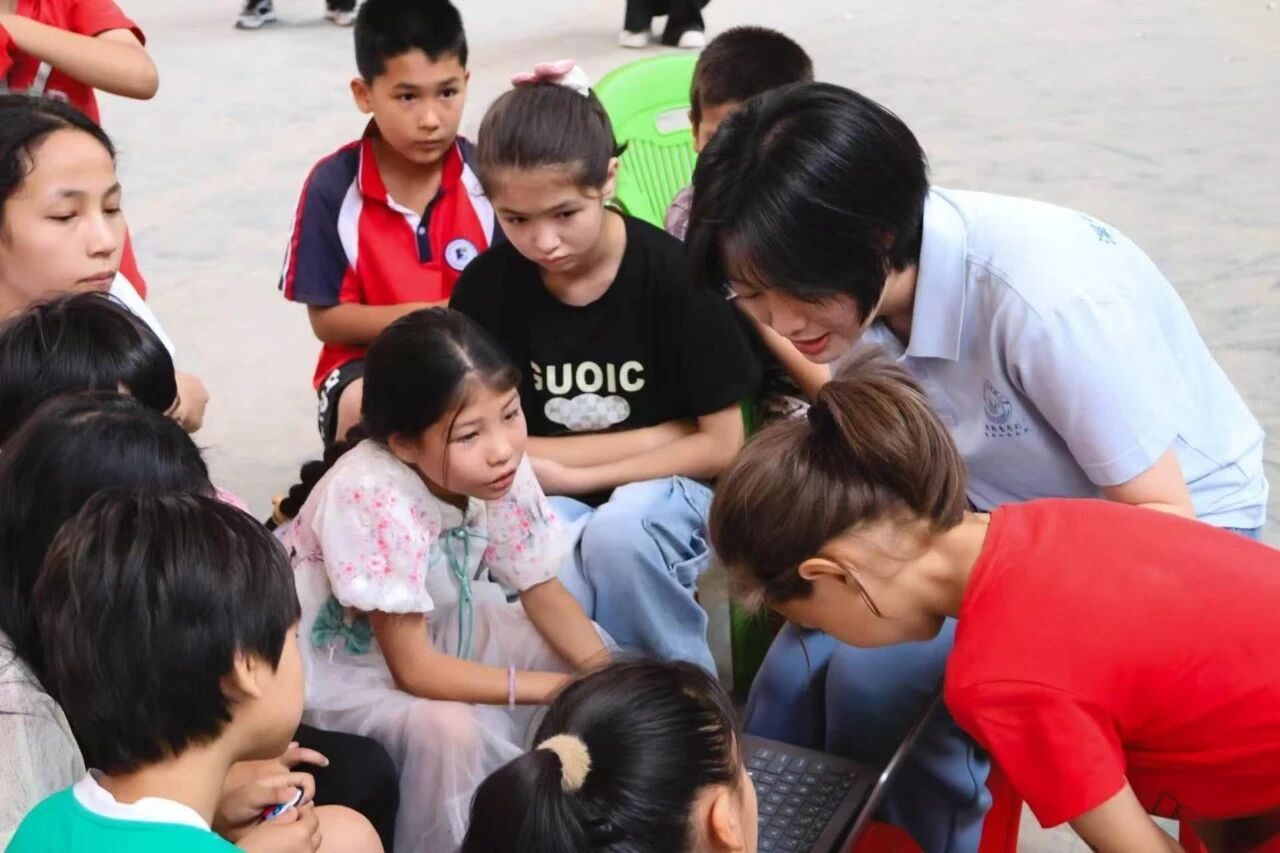
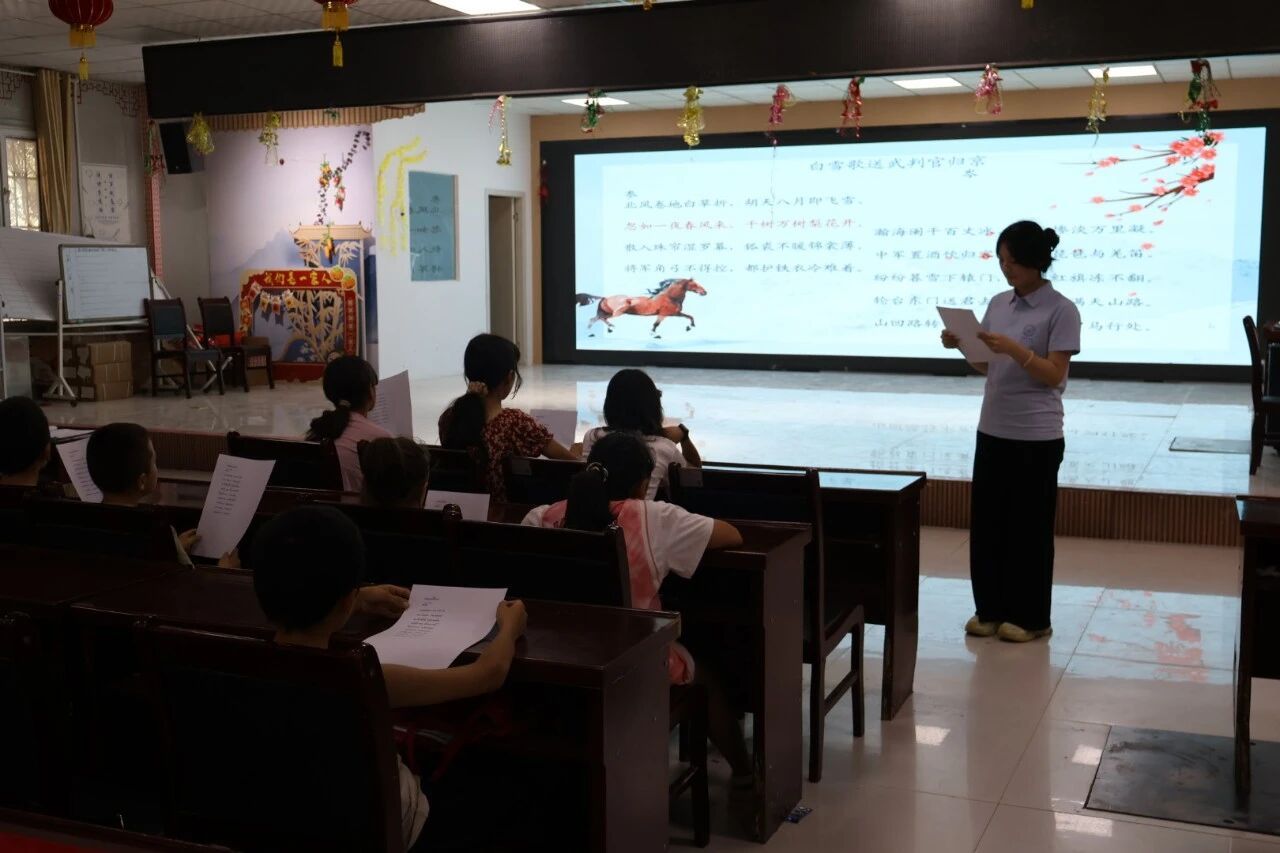
Five thousand kilometers away, the same classroom opened at the foot of the Tianshan Mountains. In Aksu, Xinjiang, the “Pomegranate Seed Pengfei” team carried out an eight-day practice along three main lines: culture, language and spirit. In the museum, team members traced, through historical materials and relics of the Silk Road, the thousand-year history of exchanges, interactions and integration among all ethnic groups. As a national special team of the “Thousand Teams, Ten Thousand People Promoting Putonghua for a Strong Nation” initiative, the practice team held lively Putonghua-promotion classes during the day, using tongue twisters to master front and back nasal finals and the distinctions between flat and retroflex consonants, and telling stories of Chinese and Russian culture in Putonghua; in the evening they went to Huayang Village to conduct questionnaire surveys, using data to understand the real language needs at the grassroots.
The team members also made a special visit to Imam Memet, the 81-year-old veteran Party member who served as the first station chief of the Kokyar “Three-North” Shelterbelt. In 1987, Imam Memet went to the sand-swept Kokyar Gobi to take up the heavy task of afforestation, and today he still often mentions the 98 percent survival rate of the autumn experimental forest. On parting, he offered these words to the youth of SMBU: “Deepen your learning and go where the motherland needs you.”
Faith education blossomed in many places and produced tangible results. On Jinggangshan, the “Young Marxist Training Project” camp carried out on-site study to solidify the foundation of young people’s ideals and convictions; in Namao Village, Leizhou, the “Zidi Revitalization” team explained financial-aid policies in Cantonese and Hakka; the “Beneficial Policies Nourishing the Countryside” team brought student-loan policies to the villages of Haifeng; the Coast Guard study team traveled to the far-flung sea frontiers and the front lines of national defense science and technology; the practice team from the Faculty of Materials Science aligned with national development needs based on its discipline; the Taiyuan practice team traced the revolutionary bloodline in the old land of Jinyang; and other teams visited Shenzhen’s national defense education base to conduct study and spread national defense culture. From the coast of eastern Guangdong to the ancestral land of northern Shanxi, young people stepped beyond textbooks to understand a three-dimensional, vivid homeland. “What moves students most is not grand narratives, but specific people,” reflected one instructor. Rural China is no longer an abstract concept in books, but a series of vivid faces and real, moving stories.
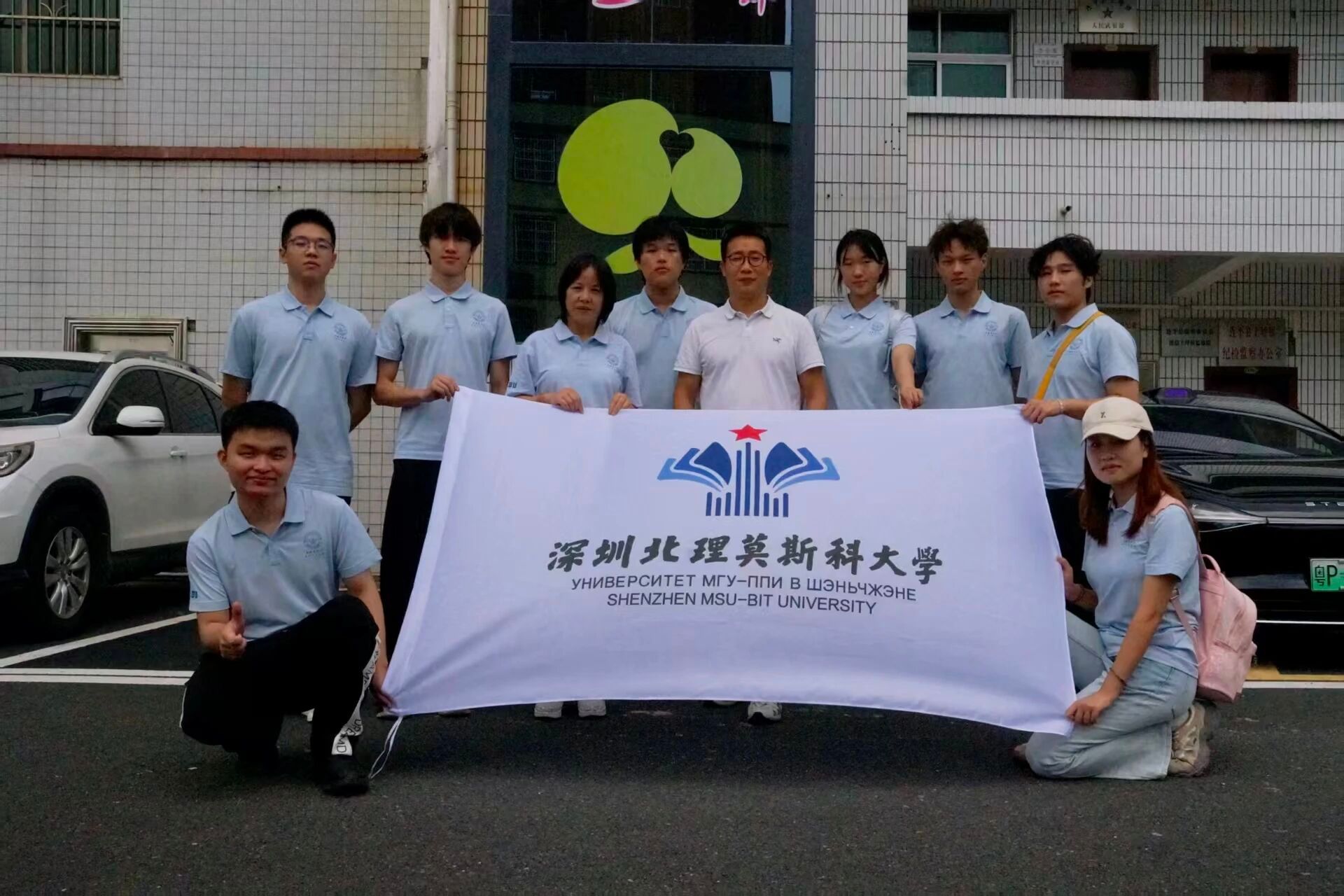
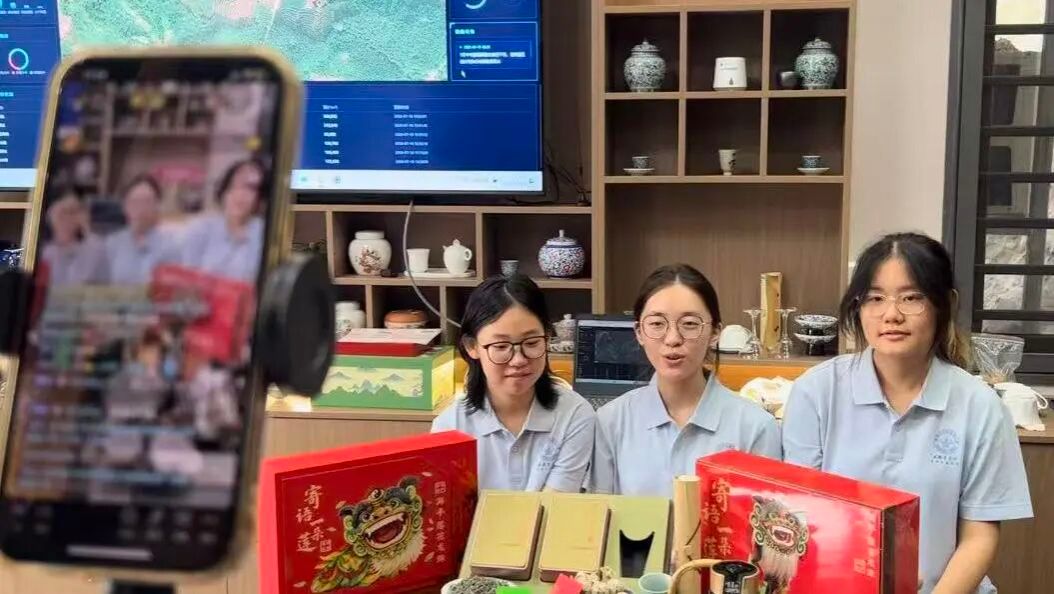
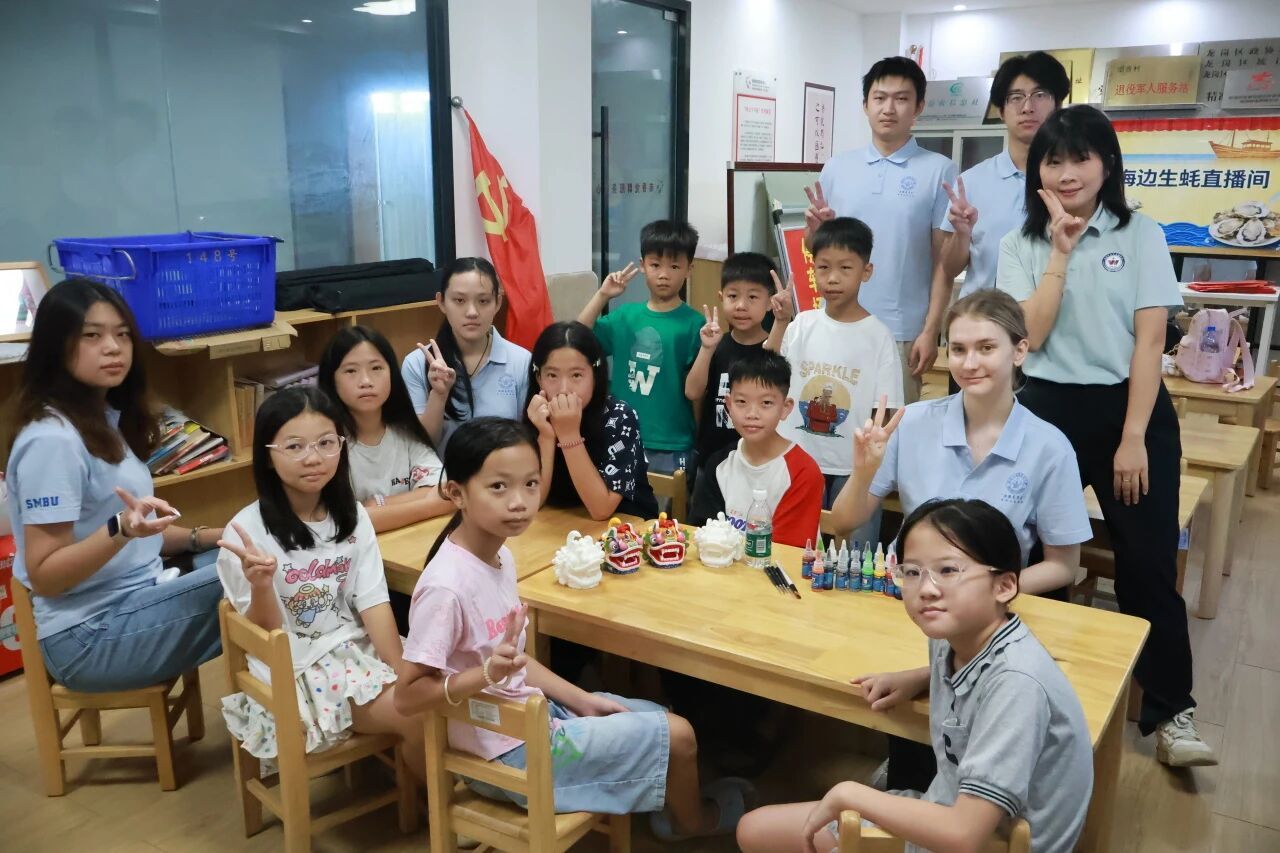
The University has abandoned “tick-box” short-term practice, focusing instead on sustainable project development so that practice activities take root. At the Lianping eagle-beak peach base, the practice team has for several consecutive years sunk roots in the peach orchards to provide farmer-support services. After the “Materials Intelligence Revitalizing Agriculture” project was recognized as a provincial-level brand project, the team did not choose a new practice site but continued to apply laboratory research results — such as biochar soil improvement and degradable polymer materials — in the fields, connecting the entire chain from “laboratory technology to field application to ecological governance.” In Huangluo Village, Lechang, building on the recognition of its golden-plum farmer-support project as a typical case, the practice team tapped deeper into the potential of agricultural-tourism integration: it hand-drew a guide map of the “Eight Scenes of Huangluo,” designed a stamp-collection passport, linked up a distinctive route of “homestays + eight scenes + fruit picking,” and compiled an “E-commerce Livestreaming Operation Manual,” expected to boost farmer income by more than 100,000 yuan. The “Xinghai Luyuan · One Leaf Sets Sail” team returned to the Haifeng tea gardens, using livestreaming and short videos to broaden sales channels for tea from deep mountains. Since 2024, the Haifeng practice project has continuously served the Shenzhen-Shanwei Cooperation Zone and Haifeng County; in 2026 it was upgraded to a three-color interconnected system, completing the transformation from “a single activity” to “a long-term brand.” The practice team developed a “coffee tea” suited to export, put three sets of co-branded packaging into mass production, with sales accounting for 71.8 percent of the market for similar products, and held eight livestreams in Chinese, English and Russian to help local tea enterprises go global. For the intangible cultural heritage of Haifeng’s single-horn qilin dance, students completed 3D modeling and printing of lion heads, built a trilingual (Chinese-Russian-English) cloud exhibition hall, interviewed more than 20 inheritors of intangible cultural heritage, and reached more than 600 participants through aesthetic-education classes, injecting youthful vitality into traditional heritage with digital technology.
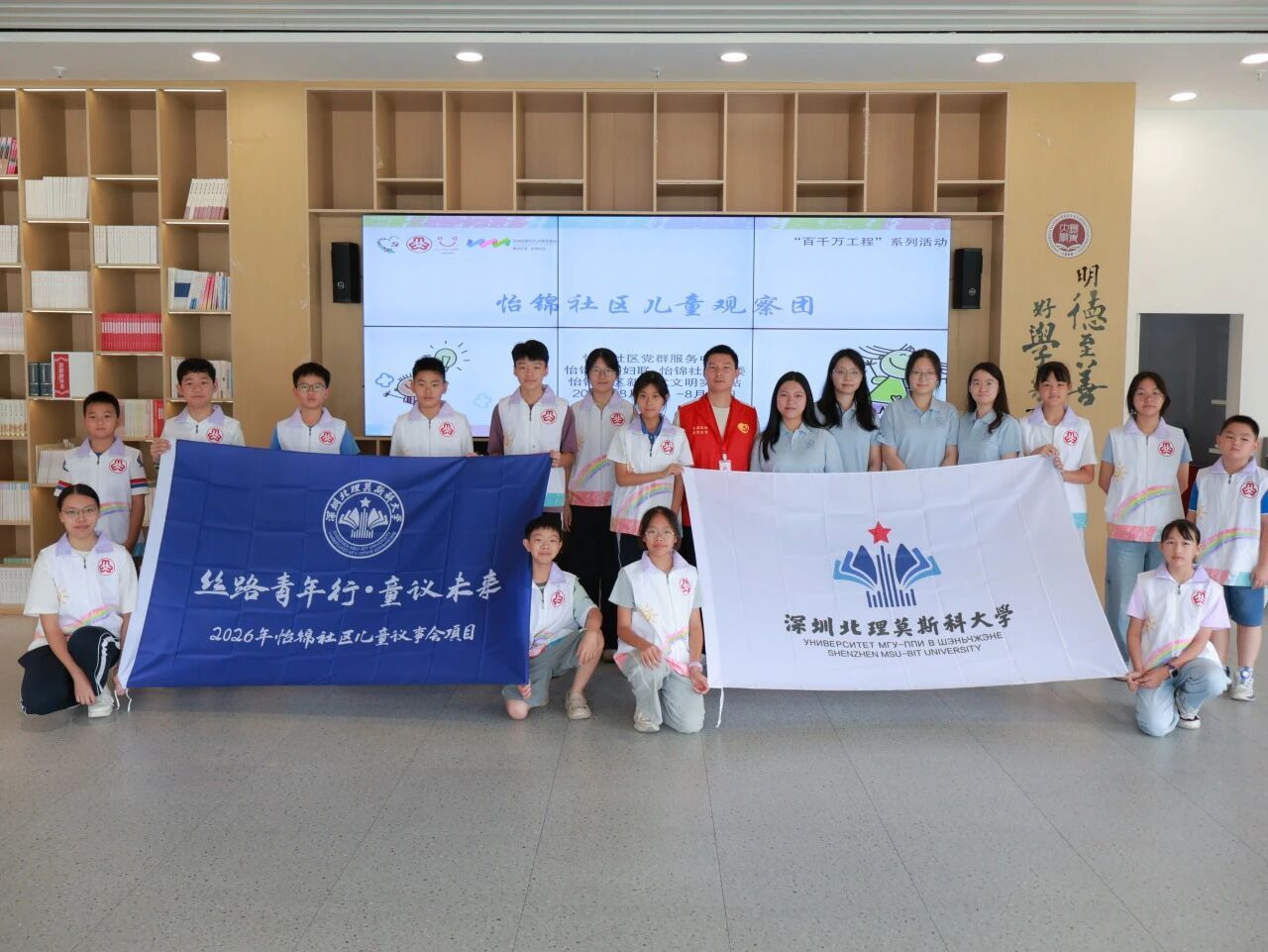
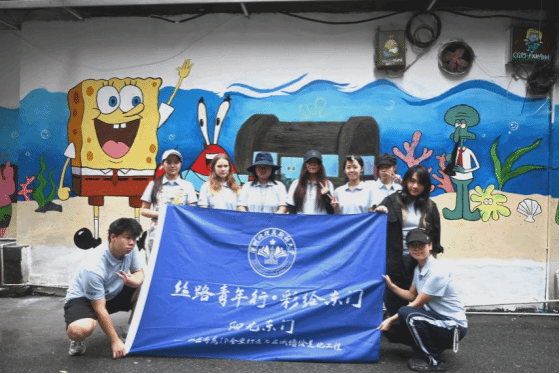
Practice sites have also expanded to the front lines of community governance and industrial employment. The “Sunny Dongmen” team created a community-specific IP and painted themed wall murals; the “Yijin” Children’s Council guided young people to participate in community public affairs; several communities opened public-interest classes in science and innovation and foreign languages; students took part in volunteer service for the Provincial Games and carried out various small-scale grassroots practices such as river patrols and protection and civic-civilization campaigns.
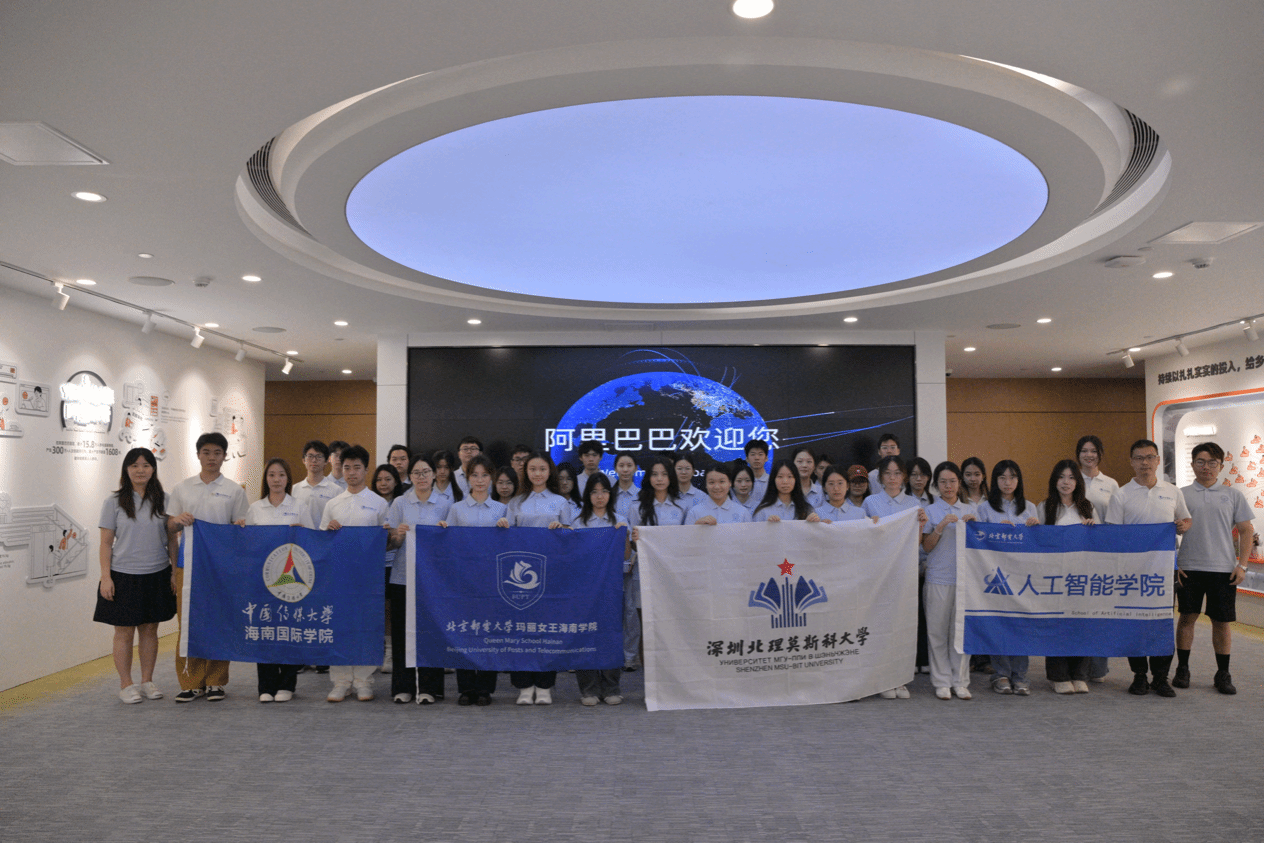
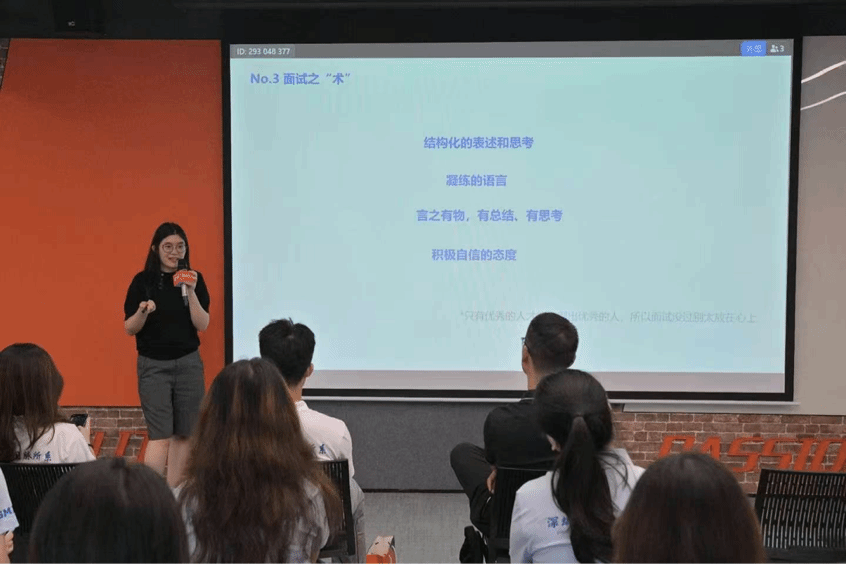
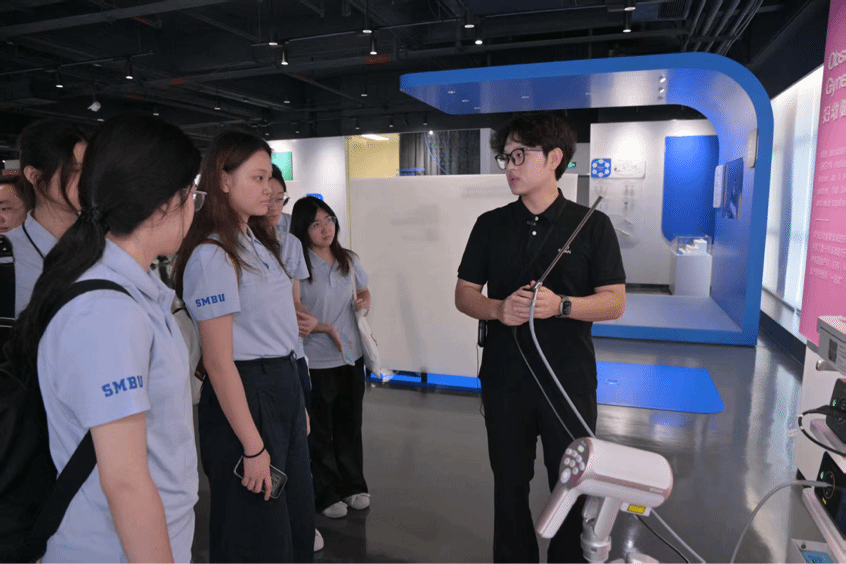
More than 60 students from three universities — Beijing University of Posts and Telecommunications, Communication University of China and SMBU — visited a number of enterprises in Shenzhen to investigate the real development of industries such as cross-border trade and high-end equipment manufacturing. Through career-planning lectures, experience-sharing by outstanding senior students, and one-on-one interviews, they built a bridge of communication between the campus and the industries of the Guangdong-Hong Kong-Macao Greater Bay Area. Other practice teams went to Beijing, Jinan and other places to study eco-agriculture and urban-rural green planning, allowing young people to calibrate their life course in real workplace settings. “A transcript is only an admission ticket; real, presentable hands-on results are the true bargaining chip,” said Su Yaxin, a member of the practice team.
Walk the World: Leveraging Our Distinctive Strengths to Broaden Horizons through Mutual Learning among Civilizations
As the first Sino-Russian cooperative university, established with the two heads of state as witnesses, SMBU’s social practice is naturally international in character. The University implements a Sino-Russian dual-mentor system in practice: Chinese mentors set the direction and address local needs, while Russian mentors provide an international outlook and cross-cultural perspective; Chinese and international students form mixed teams and conduct research together, with practice reports and visual materials produced simultaneously in both Chinese and Russian.
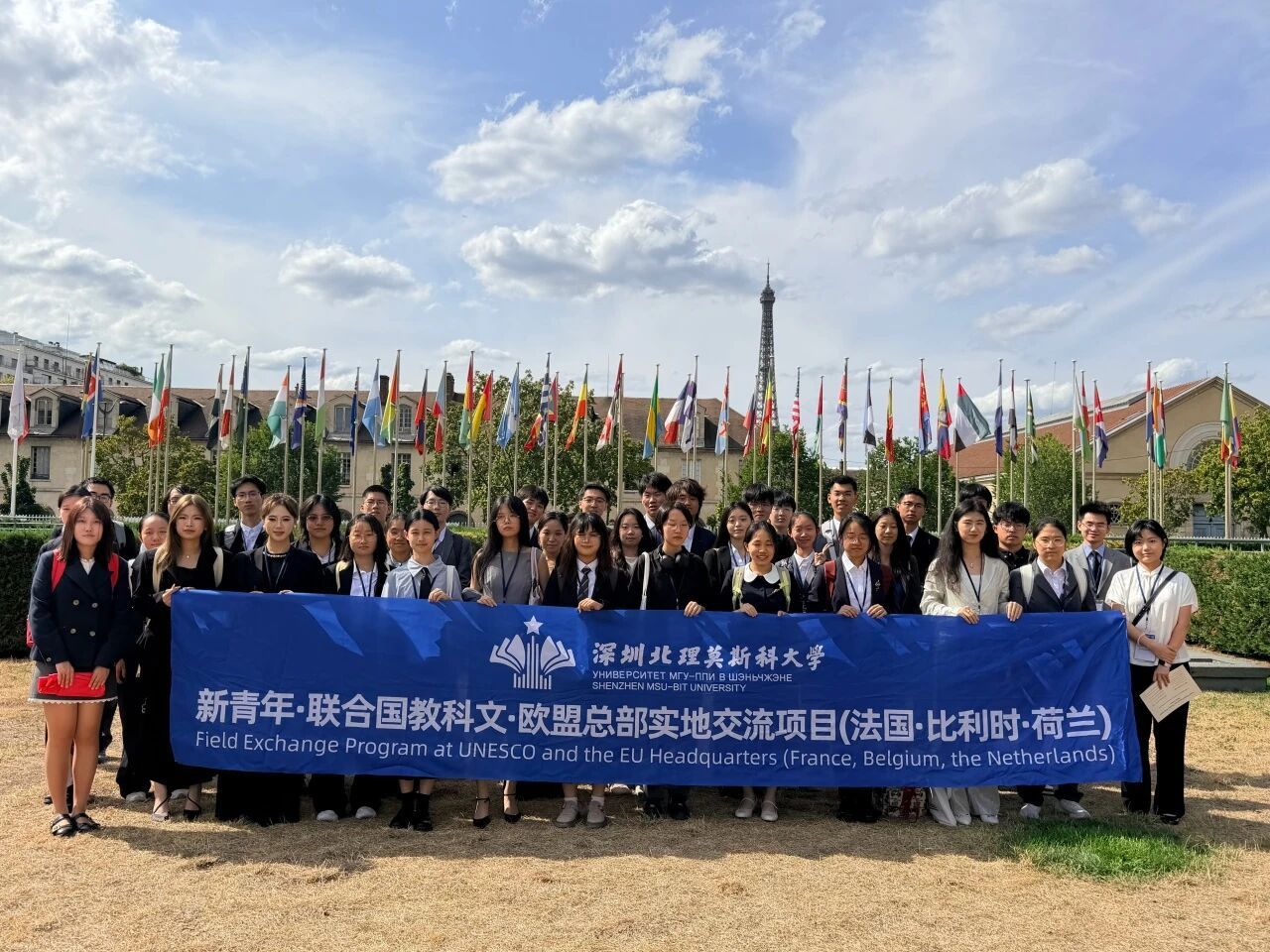
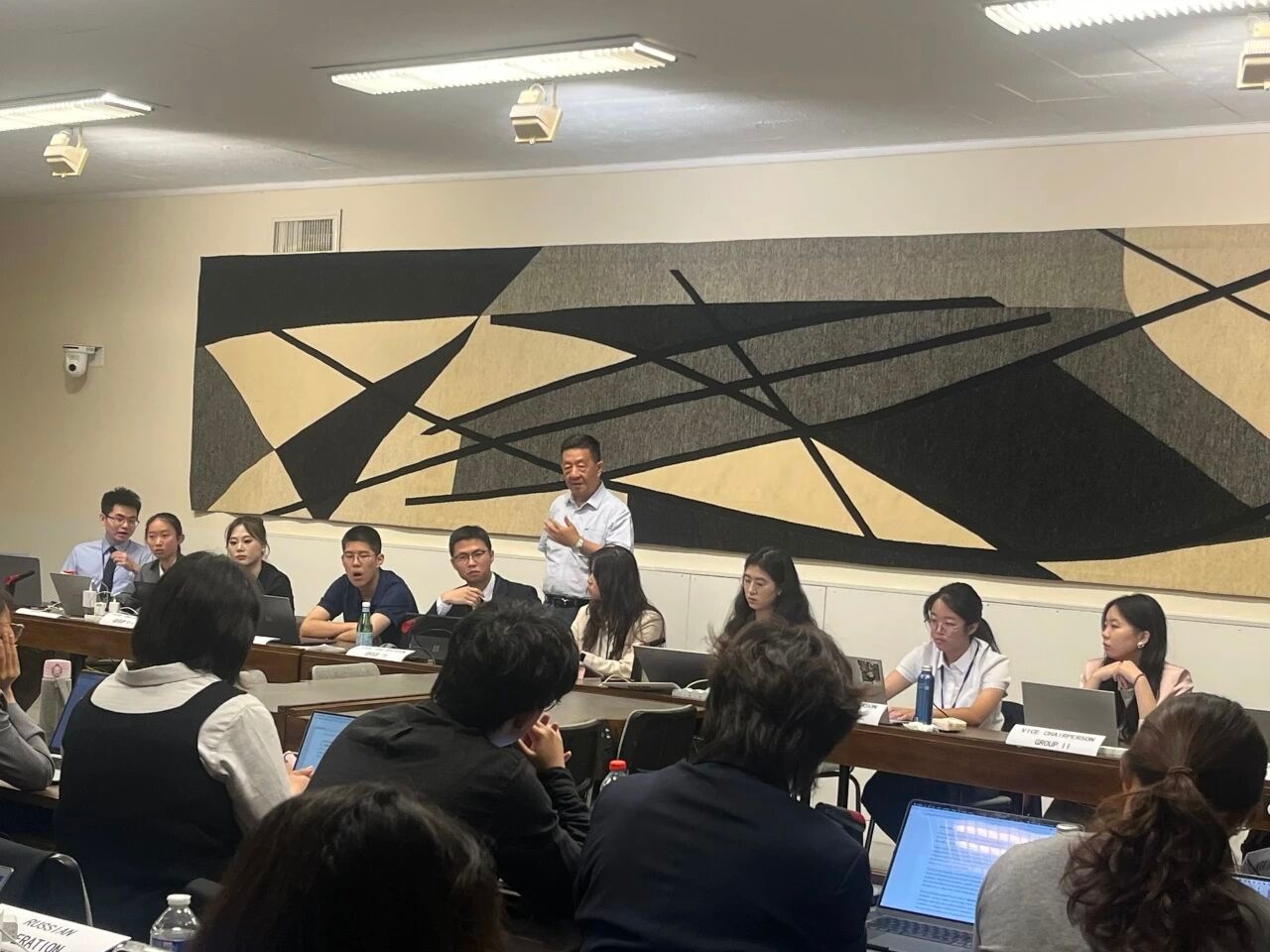
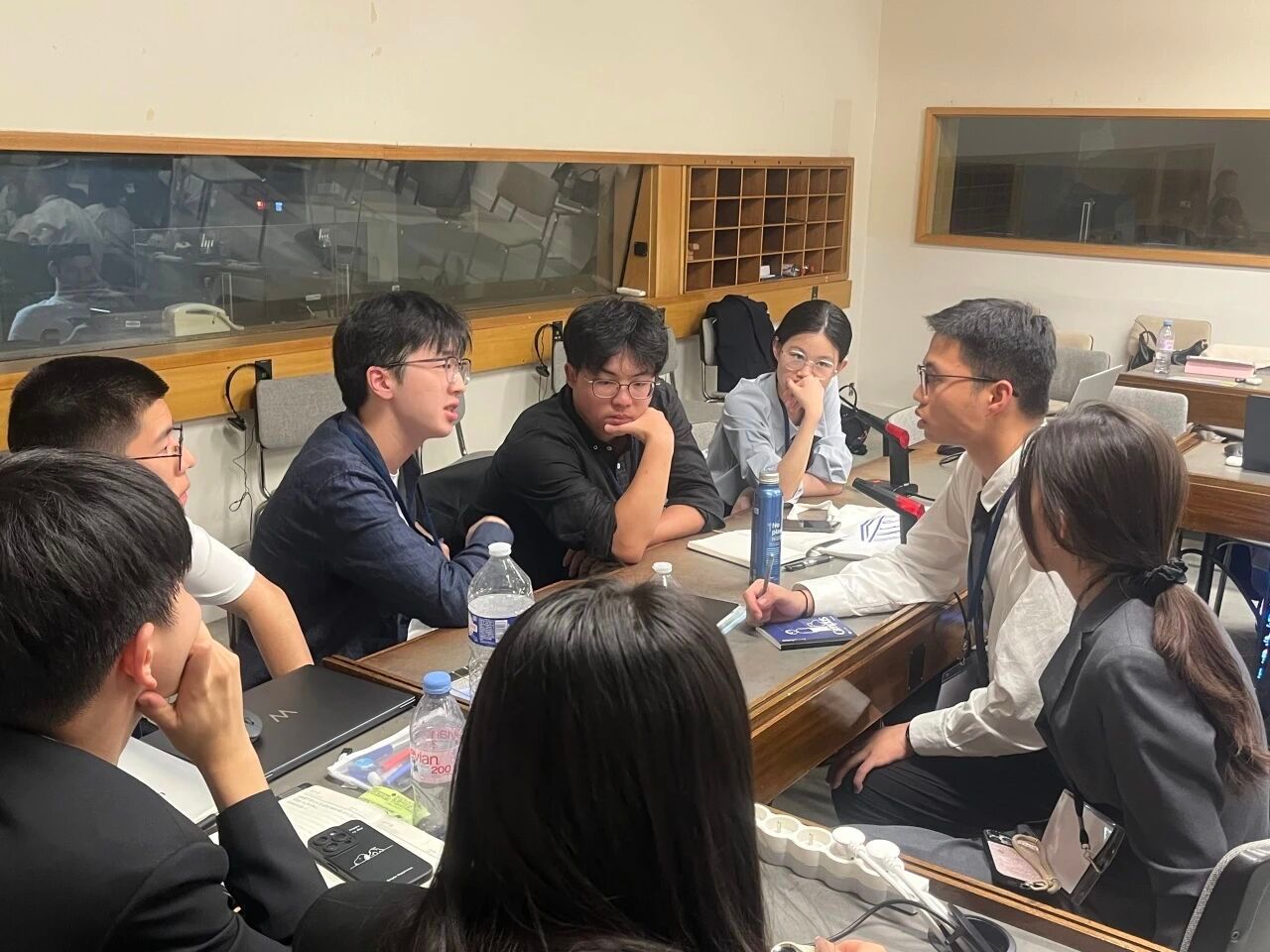
In the summer of 2026, the practice team traveled to France, Belgium and the Netherlands, visiting UNESCO headquarters and core EU institutions, attending expert lectures, and discussing global cultural governance, sustainable development and AI-driven educational transformation; in Model United Nations training, they completed position papers and draft resolutions entirely in English. At the European Parliament exhibition hall in Brussels, the students compared the operating practices of different international governance systems. “From being reserved in the face of foreign civilizations to discussing issues freely with scholars from various countries — I not only saw the world beyond textbooks, but also saw myself more clearly,” said Liao Chenxi, a member of the practice team.
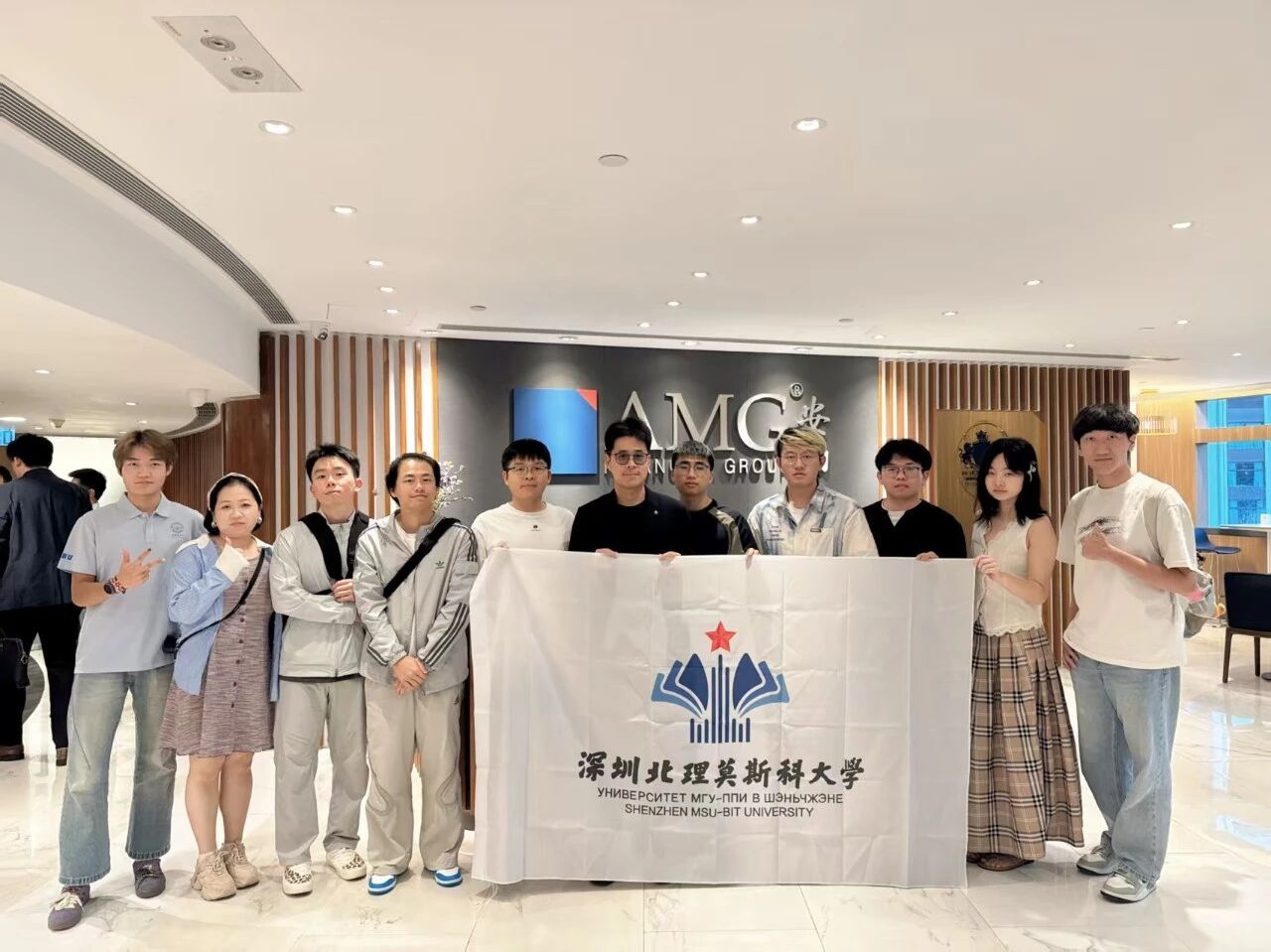
Drawing on the locational advantages of the Guangdong-Hong Kong-Macao Greater Bay Area, the practice team visited a number of universities in Hong Kong, China and Macao, China, attended frontier academic lectures, investigated the development of science and innovation and the financial industry, and experienced firsthand the vivid practice of “One Country, Two Systems.” In Nanjing, the University joined forces with Nanjing Normal University to hold discussions on the China-Russia comprehensive strategic partnership of coordination for a new era and sustainable development, and visited the Memorial Hall of the Victims in the Nanjing Massacre by Japanese Invaders and the Nanjing Museum to reflect on the essence of peace and the profound meaning of mutual learning among civilizations. A study team went to the University of Southampton in the United Kingdom for cross-cultural exchange; drawing on the frontiers of China’s cross-border e-commerce industry, it investigated mainstream Russian e-commerce platforms and produced practical research results, offering reference for China-Russia economic and trade practice.
Students from the Faculty of Philology carry out year-round, regular bilingual volunteer service at Luohu Port and the Dongmen neighborhood, providing consultation and guidance to foreign travelers. This work is not a summer-only, periodic activity but a long-term volunteer mechanism deeply connected with the community, enabling Chinese and international groups to see each other and achieve mutual understanding through everyday service.
See Mountains and Seas: Looking Back on a Decade of Accumulation, Making the Walking Classroom a Norm of Growth
Over the past decade, the program has grown from just a few teams and dozens of students at the outset to more than 150 teams and nearly 2,000 students each year today. A cumulative total of more than 10,000 Chinese and international students have traveled to more than 30 provincial-level administrative regions across the country and more than 10 countries, honing their skills and growing in the great classroom of society.
A decade of deep cultivation has yielded rich educational results. “Chinese Sentiments, International Vision: The Creation and Practice of the ‘Three-Three System’ of Ideological and Political Education in Sino-Foreign Cooperative Universities” won the Second Prize of the Guangdong Provincial Teaching Achievement Award; the University has been recognized with 1 national outstanding team, 6 provincial outstanding teams, and more than 10 provincial outstanding brand projects and typical cases; its practice has been reported by mainstream media such as CCTV News, Xinhua News Agency and People’s Daily Online, and its teaching achievements have been adopted and promoted by more than 10 universities.
“Ten years is both a milestone and a new starting point.” Going forward, the University will push the “6+1” thematic framework to greater depth and solidity, support Silk Road-themed practice research, deepen the building of university-local practice bases, and help “Read China, Walk the World, See Mountains and Seas” break free from the time boundary of summer practice, gradually transforming it into a lasting value pursuit for SMBU youth.


 Application
 Job Opportunities
 Contact Us
 Rector's Email


